
Why Local Farms Matter More Than Ever in New Jersey
June 2, 2026
Father’s Day Traditions That Bring Families Together Around the Table
June 16, 2026
June is one of the most rewarding months for gardeners. The longer days, warmer temperatures, and increased sunlight create ideal growing conditions for vegetables, herbs, flowers, and other garden favorites. Whether you’re tending a large backyard garden or a few raised beds, now is the time to help your plants thrive and prepare for a productive summer harvest.
At Spring Valley Turkey Farm, we know firsthand how rewarding it is to grow your own food and connect with the land. Here are some of our favorite June gardening tips to help you make the most of the growing season.
Water Deeply and Consistently
As temperatures rise, proper watering becomes increasingly important. Rather than watering lightly every day, focus on deep watering a few times each week. This encourages plants to develop stronger root systems and become more resilient during hot weather.
Early morning is generally the best time to water, helping plants absorb moisture before the heat of the day arrives.
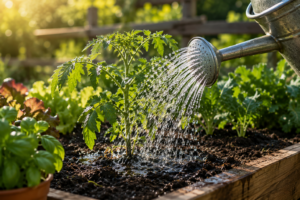
Deep, consistent watering helps plants develop stronger roots and thrive during the heat of summer. Watering early in the morning allows moisture to reach the roots before temperatures rise.
Harvest Herbs Frequently
Fresh herbs like basil, parsley, oregano, thyme, and rosemary often grow rapidly during June. Regular harvesting encourages continued growth and prevents plants from becoming leggy.
If you find yourself with more herbs than you can use, consider drying or freezing them for later use. The National Center for Home Food Preservation offers excellent resources for preserving herbs and vegetables at home: https://nchfp.uga.edu
Plant Heat-Loving Vegetables
June is an ideal time to grow warm-weather crops such as:
• Tomatoes
• Peppers
• Cucumbers
• Squash
• Zucchini
• Eggplant
• Green beans
These summer favorites thrive in the warmer temperatures and longer daylight hours that June provides.
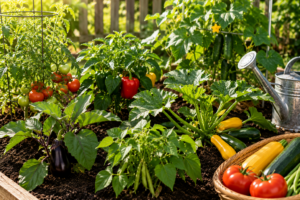
Warm-weather vegetables thrive during the long, sunny days of June. Tomatoes, peppers, cucumbers, squash, zucchini, eggplant, and green beans are excellent additions to a productive summer garden.
Keep an Eye Out for Garden Pests
Healthy gardens attract more than just gardeners. Check plants regularly for signs of aphids, tomato hornworms, beetles, and other common pests. Catching problems early can prevent damage from spreading throughout your garden.
While inspecting plants, also watch for signs of powdery mildew, especially during periods of high humidity.
Mulch Your Garden Beds
Adding a layer of mulch around plants is one of the easiest ways to improve garden health. Mulch helps:
• Retain soil moisture
• Suppress weeds
• Regulate soil temperature
• Improve soil quality over time
Organic mulches such as straw, shredded leaves, or bark are excellent choices for vegetable gardens.
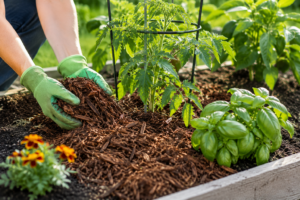
A layer of organic mulch helps conserve moisture, reduce weeds, regulate soil temperature, and create healthier growing conditions throughout the summer season.
Compost Kitchen and Garden Scraps
Composting is a simple way to recycle organic material while creating nutrient-rich soil for future growing seasons.
Fruit and vegetable scraps, grass clippings, leaves, and plant trimmings can all contribute to a healthy compost pile. The Environmental Protection Agency offers a helpful guide for home composting here: https://www.epa.gov/recycle/composting-home
Keeping your compost moist and turning it regularly will help speed up decomposition and create valuable soil amendments for your garden.
Support Pollinators
Pollinators play a critical role in producing many of the fruits and vegetables we enjoy throughout the summer. Consider planting flowers that attract bees, butterflies, and other beneficial insects.
A pollinator-friendly garden not only helps your plants produce more abundantly but also supports a healthier local ecosystem.
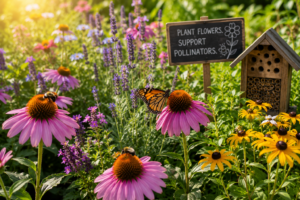
Pollinators like bees and butterflies play a vital role in helping gardens flourish. Planting pollinator-friendly flowers supports local ecosystems while encouraging healthier fruits, vegetables, and blooms.
Preserve Your Harvest
One of the greatest joys of gardening is enjoying the fruits of your labor long after harvest season ends.
Freezing vegetables, drying herbs, making salsa, or canning tomatoes are all excellent ways to extend the life of your harvest. Home preservation helps reduce waste while allowing you to enjoy garden-fresh flavors throughout the year.
Learn from Trusted Gardening Resources
Even experienced gardeners are always learning. For seasonal planting guides, gardening calendars, and growing tips, visit The Old Farmer’s Almanac gardening resources: https://www.almanac.com/gardening
The USDA’s People’s Garden Initiative also provides valuable information about sustainable gardening, local food systems, and growing healthy communities: https://peoplesgarden.usda.gov
Support Local Agriculture This Summer
One of the best ways to celebrate the growing season is by supporting local farms and producers. Purchasing locally grown food helps strengthen the community, reduces transportation miles, and allows families to enjoy fresh products at their peak flavor.
At Spring Valley Turkey Farm, we’re proud to be a veteran-owned farm serving Old Bridge and surrounding communities. Whether you’re planting your first vegetable garden, harvesting fresh herbs, or simply enjoying the beauty of the season, June is a wonderful reminder of the value of local agriculture and homegrown food.
Here’s to a productive garden, a plentiful harvest, and a wonderful summer ahead!

Supporting veteran-owned local farms helps strengthen communities, preserve agricultural traditions, and provide families with fresh, locally raised food. Spring Valley Turkey Farm is proud to serve Old Bridge and surrounding New Jersey communities.