
Thanksgiving Will Be Here Before You Know It: Why Early Planning Pays Off
July 6, 2026
Discover the Best Farmers Markets in Monmouth, Ocean & Middlesex Counties
July 23, 2026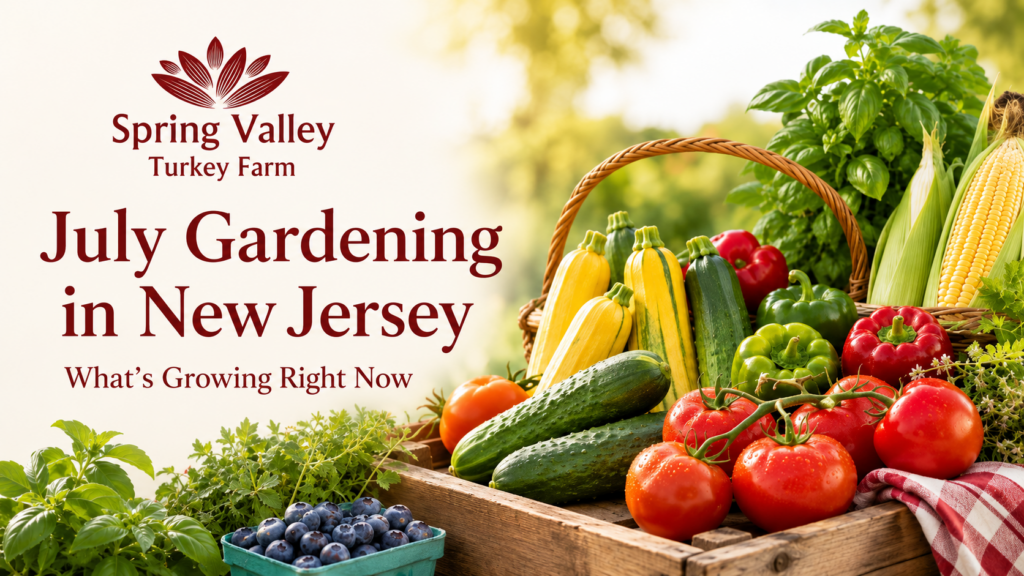
Published by Spring Valley Turkey Farm
July 13, 2026
By mid-July, gardens throughout New Jersey are overflowing with color, growth, and fresh summer produce. Tomatoes are beginning to ripen, zucchini seems to appear overnight, and many warm-season vegetables are reaching their most productive point of the year.
Whether you have a large backyard garden, a few raised beds, or containers on your patio, July is an important month for harvesting, maintaining, and preparing your garden for the remainder of the season.
Here is what may be growing in your New Jersey garden right now—and what you can still plant for a later harvest.
What’s Growing in New Jersey in July?
July is one of the most abundant months of the growing season in the Garden State. Depending on when your garden was planted, you may currently be harvesting or watching the following crops mature:
-
Tomatoes
-
Cucumbers
-
Zucchini and summer squash
-
String beans
-
Sweet corn
-
Bell peppers and hot peppers
-
Eggplant
-
Beets
-
Carrots
-
Lettuce and other greens
-
Blueberries
-
Blackberries
-
Fresh herbs
-
Garlic
New Jersey’s locally grown produce season generally runs from May through November, making July an excellent time to shop at local farm stands and farmers markets for fresh, seasonal ingredients. The Jersey Fresh program helps shoppers identify produce grown right here in New Jersey. (NJ.gov)
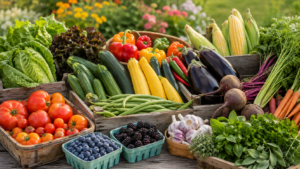
A colorful assortment of fruits, vegetables, and herbs commonly harvested across New Jersey during the height of the July growing season.
The Arrival of Jersey Tomatoes
Few foods are more closely associated with a New Jersey summer than a ripe Jersey tomato.
Tomato plants typically become increasingly productive during July as temperatures rise and the fruit receives plenty of sunlight. Tomatoes grow best when they receive at least eight hours of direct sunlight each day and are planted in well-drained soil. (NJ Agricultural Experiment Station)
Check tomato plants regularly and pick fruit when it has reached its full color and feels slightly firm. Frequent harvesting encourages the plant to continue producing.
Tomatoes are perfect for:
-
Fresh tomato and mozzarella salads
-
Homemade salsa
-
Sandwiches and burgers
-
Pasta sauce
-
Summer salads
-
Grilled vegetable dishes
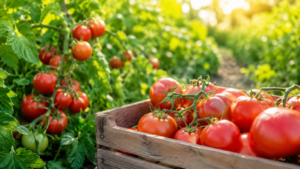
Freshly picked tomatoes and ripening vines capture the classic taste of a New Jersey summer.
Keep Up With Cucumbers and Zucchini
Cucumbers, zucchini, and summer squash can grow very quickly during July. A vegetable that looks small one evening may be ready to harvest just a day or two later.
Check these plants frequently and pick vegetables while they are still tender. Regular harvesting can also encourage continued production.
Watch for signs of cucumber beetles, which can damage cucumbers, squash, melons, pumpkins, and several other garden plants. Rutgers New Jersey Agricultural Experiment Station offers additional information about identifying and managing cucumber beetles. (NJ Agricultural Experiment Station)
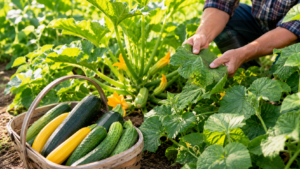
Frequent harvesting and regular leaf checks help cucumbers, zucchini, and summer squash stay productive throughout July.
July Garden Care Tips
New Jersey’s summer heat can place extra stress on vegetable plants. A few simple habits can help your garden remain productive throughout July.
Water Deeply
Gardens generally benefit more from deep, thorough watering than from frequent, shallow watering. Water near the base of the plant whenever possible to help keep the leaves dry.
Early morning is usually the best time to water because plants can absorb moisture before the hottest part of the day.
Add Mulch
A layer of mulch can help the soil retain moisture, regulate soil temperature, and reduce weed growth. Straw, untreated grass clippings, shredded leaves, or other garden-safe materials may be used around vegetable plants.
Harvest Regularly
Vegetables left on a plant for too long may become oversized, tough, or less flavorful. Frequent harvesting also signals many plants to continue producing.
Check for Pests and Disease
Inspect the tops and undersides of leaves for holes, discoloration, insects, or eggs. Catching a potential issue early is often easier than trying to manage it after it spreads throughout the garden.
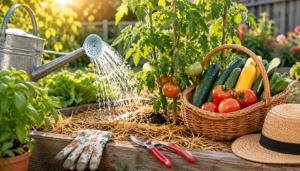
Deep watering, mulch, regular harvesting, and routine plant checks can help New Jersey gardens stay healthy during the summer heat.
What Can You Plant in July?
The growing season is far from over. July can be an excellent time to begin planting vegetables for late-summer and fall harvesting.
Possible July plantings include:
-
Snap beans
-
Cucumbers
-
Summer squash
-
Sweet corn
-
Beets
-
Broccoli
-
Kale
-
Collard greens
-
Lettuce
-
Radishes
-
Turnips
-
Spinach
Warm-season vegetables such as snap beans, cucumbers, squash, and sweet corn may still be planted for a later harvest. Cool-season vegetables can also be started during the summer so they are ready as temperatures become milder in the fall. (Rutgers Cooperative Extension)
Planting dates can vary based on the crop, the weather, and your location within New Jersey. Rutgers NJAES provides a helpful vegetable garden planning guide for gardeners who want to plan successive plantings and extend their harvest into autumn. (NJ Agricultural Experiment Station)
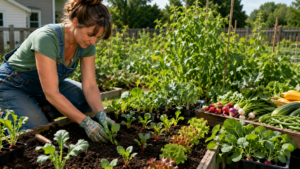
July is a great time to plant another round of vegetables for late-summer and fall harvesting in New Jersey.
Supporting Local Agriculture in New Jersey
Even without a home garden, you can enjoy the flavors of July by visiting a local farmers market or New Jersey farm stand.
Community farmers markets offer an opportunity to purchase fresh fruits and vegetables while supporting the farmers and families who help keep New Jersey agriculture strong. You can explore local options through the New Jersey Department of Agriculture’s community farmers market resources. (NJ.gov)
From Jersey tomatoes and sweet corn to cucumbers, zucchini, and berries, July offers some of the freshest and most recognizable flavors of the year.

The owners of Spring Valley Turkey Farm at their veteran-owned, family-operated farm in Old Bridge, New Jersey.
Enjoy the Garden State’s Summer Harvest
At Spring Valley Turkey Farm in Old Bridge, we appreciate the work, patience, and care that go into growing and raising food locally.
Whether you are tending a backyard garden in Old Bridge, East Brunswick, Monroe, Manalapan, Matawan, Marlboro, Freehold, or another nearby New Jersey community, take time this month to enjoy what is growing.
July may bring hot days and busy gardens, but it also brings the reward of fresh produce, family meals, and a deeper connection to the farms and communities around us.

A heartfelt thank you from Spring Valley Turkey Farm 🤍